
 ONOSONIC app

Posted by ONOSONIC on 20th Nov 2026
Water Flosser Tank Runs Out? How to Finish Without Rushing
If your cordless water flosser tank empties halfway through, you don’t need to rush the remaining gaps or start the whole routine over. Switch the device off, refill it according to its instructions, and pick up where you stopped. The tank tells you how much water is left, not how much of your mouth you have cleaned.
Use a route you can resume
Choose a starting point before you switch the device on. For example, follow the upper row from one end to the other, then do the lower row. If you pause at the back of the upper row, use that spot as your landmark when you return. A routine you can resume is more useful than trying to stretch one fill by moving quickly.
Treat refill frequency as a convenience question
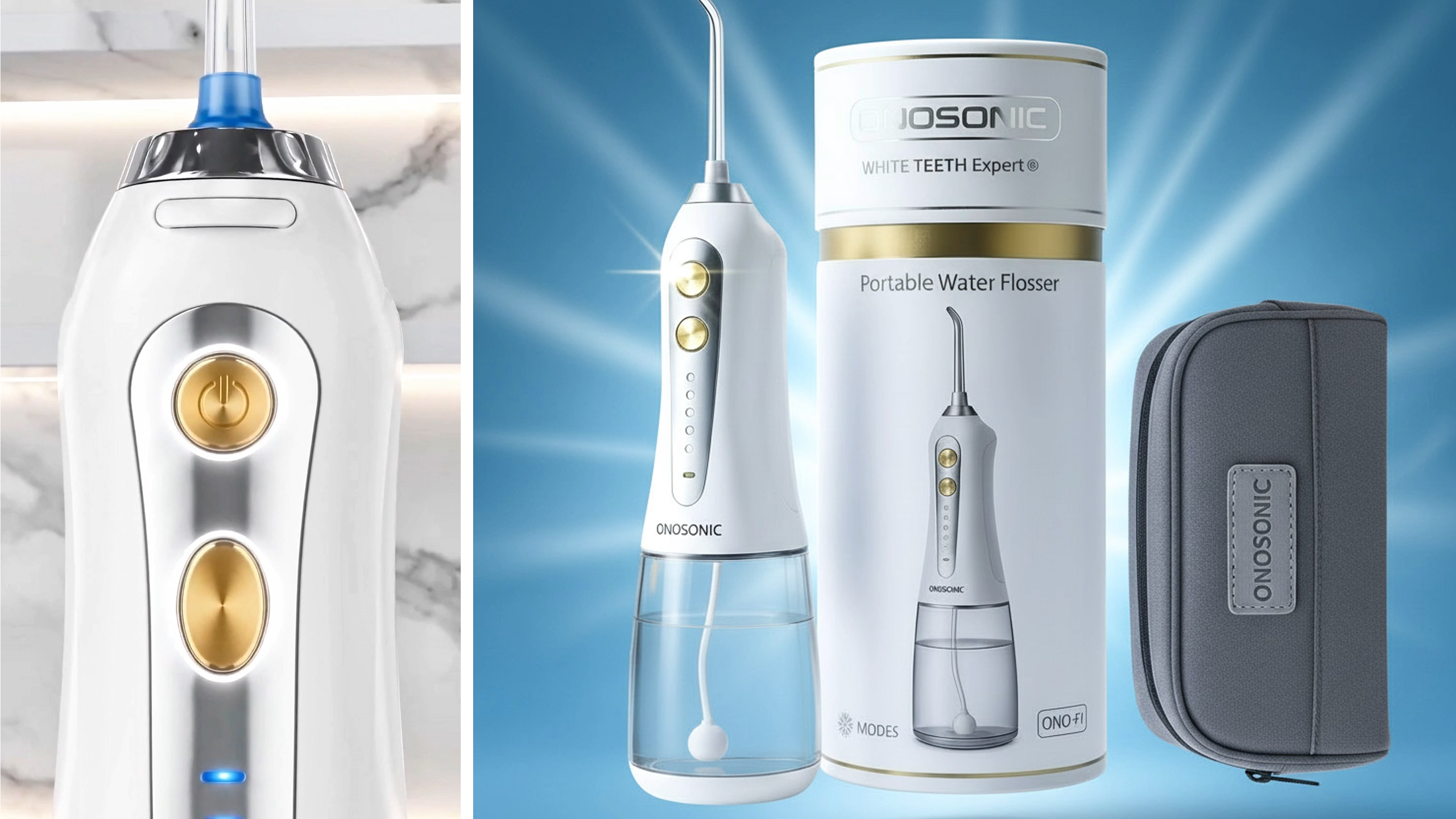
How long a fill lasts depends on how you use the device, including the mode and how long you keep it running. Don’t choose a stronger setting just to finish faster or judge the session by whether water remains. If you’re choosing between cordless and countertop models, ask where you’ll use the device, how easily you can reach the tap and whether you mind pausing for a refill. Tank capacity matters, but it isn’t a measure of cleaning quality.
Keep the oral-care goal separate from the tank
The American Dental Association’s guidance on cleaning between teeth describes water flossers as one type of interdental cleaner. They complement toothbrushing; they don’t replace it. If you’re unsure which tool works best for your spaces or dental work, ask your dental team to show you what to use there.
Comparing cordless options? See the ONOSONIC ONO-F1 cordless water flosser oral irrigator for its visible reservoir, mode options and what comes in the box. اقرأ المقال بالعربية.